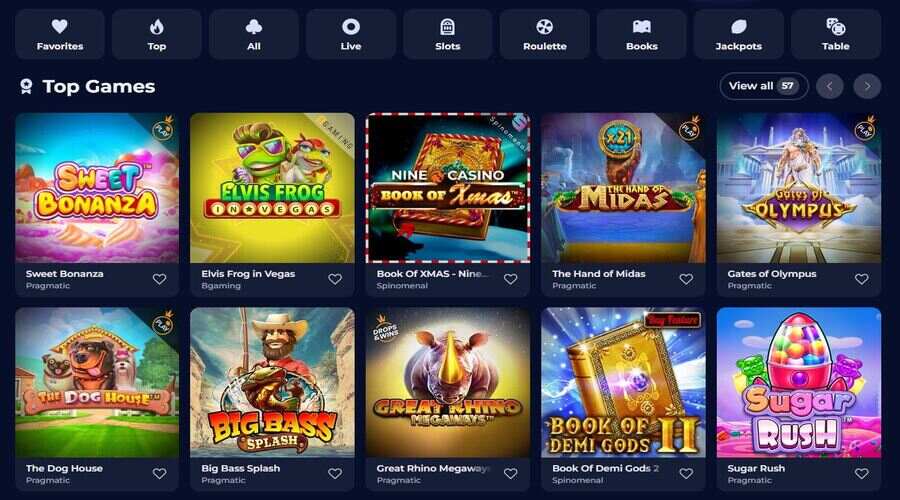
I have devoted years navigating the complex world of online gaming, and I understand that even the smoothest session can sometimes hit a bump. When you play at a dependable platform like Nine Casino, everything is set up to run justly, but misunderstandings or technical issues can still occur. This guide is my way of leading you through exactly what to do if you ever find yourself in a disagreement. I want you to feel confident, aware that a clear path to resolution exists. Knowing your options before a problem emerges is the most intelligent move any player can make, transforming a likely stressful situation into a manageable process where your voice is acknowledged and respected.
Alternative Dispute Resolution Providers
Once internal channels are exhausted and you honestly believe the casino has acted unfairly, Alternative Dispute Resolution is your next tool. Most reputable licensing jurisdictions require their casinos to be affiliated with an independent ADR body. This is not a casino employee but a neutral third party who reviews evidence from both sides. I view ADR as a form of mediation rather than a court proceeding. The process is usually free for the player, and you submit your complaint through an online system. The ADR body will then formally request the casino’s logs and server data, which the casino is contractually obligated to supply. This levels the playing field, as you gain access to information the casino might not have shared willingly.
Identifying the Correct ADR Body
You cannot just pick any mediator; you must use the one linked to the casino’s licence. I always check the website footer or the terms and conditions page of the casino to find this information. For example, a platform operating under a Curacao license might use a different provider than one under an MGA permit. Using the wrong ADR will result in an immediate dismissal. Once you identify the correct body, read their submission guidelines carefully. Some eur-lex.europa.eu require a “deadlock letter” or a final decision from the casino before they will act. Others have a strict time limit, such as requiring you to file the complaint within 12 months of the incident. Missing these administrative details can invalidate your claim before it is even heard.
Compiling Your Submission Evidence for ADR
I cannot stress enough how vital a chronological evidence package is for an ADR filing. I create a single PDF document that tells the story from start to conclusion. It begins with a summary of the timeline, followed by screenshots of the disputed transactions, the relevant terms and conditions copied directly from the casino’s site, and the full email chain with the support department. I annotate the emails to highlight where the casino contradicted itself or failed to answer a direct inquiry. The ADR official is not a mind reader; they only know what you show them. A messy, emotional rant will fail, but a cold, hard, factual timeline often succeeds because it makes the official’s job of judging fairness much more straightforward.
Internal Resolution: Your Original and Fastest Route
I always tell players that the most direct route to a solution almost always begins within the casino itself. Reputable operators like Nine Casino allocate substantial resources in trained support teams precisely for this reason. Omitting this step and turning to an external body generally delays the process, as they will merely inquire if you completed the internal route first. The key here is documentation and clarity. When you approach the support team, you need to present a composed, evidence-based timeline of events. Screen grabs, transaction IDs, and exact game names are your most valuable tools. A licensed operator wants to settle your problem quickly to preserve their standing, so give them the resources to help you efficiently.
Composing an Effective Initial Complaint
When I compose a complaint, I treat it like a professional correspondence, not an emotional outburst. Start by explicitly outlining the problem in the subject line, for example, “Withdrawal Request #123456 – Past Due Past Stated Timeframe.” In the body, supply your official account name, username, and the specific time and date of the incident. Attach any evidence you have immediately; do not hold off for them to ask for it. Describe what you expect as fair resolution, whether it is a payment release, a refund of a stuck bet, or a bonus adjustment. A systematic method shows that you are serious and reasonable, which often paves the way for a faster escalation if the first-line https://www.reddit.com/r/OhioLiquor/comments/1ipkpji/when_does_ohlq_do_their_lottery/ agent cannot fix the issue themselves.
Utilizing Live Chat Vs. Email
I consider that live chat is well-suited for immediate, low-complexity queries, like inquiring why a document was rejected. Nevertheless, for formal disputes, email creates a vital audit trail. When you use email, you compel the casino to respond in writing, creating a durable record of their claims and commitments. Live chat transcripts can be misplaced if you do not copy them manually. For a significant monetary conflict, I strongly advise starting with live chat to get an prompt reference number, then swiftly following up with a detailed email summarizing the chat. This two-pronged strategy blends speed with the security of documented evidence, which becomes vital if the dispute escalates later.
Effective Personal and Preventive Measures
I have come to understand that the ideal conflict is the one that never happens. Prevention hinges fully on your gaming behaviors. Before I ever deposit, I review the withdrawal policy, specifically looking for maximum cashout limits on bonuses and weekly payout caps. I also authenticate my account immediately after registration, uploading my documents before I even ask for a withdrawal. This eliminates the most common cause of delays. Furthermore, I capture screenshots of my bet history after every significant session. Casino databases can be fixed, but a timestamped screenshot on your hard drive is immutable proof. These small habits take seconds but can save weeks of arguing if a technical glitch clears a big win from the server logs.
Grasping Bonus Wagering Requirements
Bonus disputes are the most common, and they are almost always triggered by players not understanding how wagering contributions work. I always review the “Game Weighting” table. In most casinos, slots represent 100% toward wagering, but table games like blackjack or roulette might only represent 5% or even 0%. If you play a restricted game, you endanger voiding the bonus and any winnings obtained from it. I also look for the “max bet” rule, which typically limits you to a small percentage of the bonus amount per spin while a bonus is active. Breaking this rule, even unintentionally by clicking the “Max Bet” button, is a frequent reason for fund confiscation that is entirely preventable with a few minutes of reading.
Comprehending the Character of Frequent Conflicts
Before diving into resolution tactics, I feel it is essential to pinpoint what typically causes a complaint. In my experience, most issues fall into clear categories rather than being vague grievances. The most prevalent involve delayed or missing withdrawals, where a player has met all wagering requirements but the funds have not come in the expected timeframe. Account verification delays are another common sticking point; casinos are legally obligated to verify your identity, but sometimes the process stalls. Bonus term confusions, such as accidentally playing a restricted game with an active bonus, also generate friction. Finally, technical malfunctions during gameplay, where a game freezes mid-spin and a bet is lost, can cause considerable distress and necessitate detailed investigation.
Escalating to the Leadership and VIP Teams
If the frontline support agent is unable to resolve your issue within a reasonable timeframe, usually 24 to 72 hours according to the complexity, you should demand for an escalation. I never accept a simple “no” from an agent who may have limited authority to override system decisions. Courteously but firmly request that your case be forwarded to a shift manager or the payments department head. If you are a loyal player or part of a loyalty scheme, mention this status. VIP account managers often have direct lines to the decision-makers and can cut through bureaucratic delays. Remember, a casino like Nine Casino structures its hierarchy to handle disputes effectively, so moving up the chain is not a confrontation; it is simply the next logical step in the process.
The Role of the Compliance Department
Behind the customer-facing support team lies a compliance department that rarely interacts directly with players but holds immense influence. If your dispute involves a confiscation of funds due to alleged bonus abuse or a breach of conditions, the compliance team is the one making that call. When I recognize a decision has been made by compliance, I change my communication style to be strictly legalistic and evidence-based. I ask for the specific clause in the terms and conditions that they believe I violated. I also request a detailed explanation of the evidence they used to reach their finding. This forces them to move beyond generic responses and justify their actions with concrete data, which can sometimes reveal a mistake in their automated flagging systems.
Contacting the Licensing Authority
Numerous players mistake the ADR provider with the licensing authority, but they fulfill different roles. The regulatory body, such as the Malta Gaming Authority or the Kahnawake Gaming Commission, is not a intermediary for individual financial claims in the same way an ADR is. However, I regard them crucial for highlighting systemic issues or serious infringements of the licensing code. If a casino declines to comply with an ADR ruling, that is when the regulator must get involved. The regulator focuses on whether the operator is “fit and proper” to hold a license. Therefore, your grievance to them should focus on the operator’s conduct and potential regulatory infringements, not just the reality that you lost money.
In what cases to Approach the Regulator Directly
I typically advise against heading straight to the regulator without using ADR first, unless the issue is illegal in character, such as identity theft or a clear rejection to honor a legitimate ADR decision. Regulators rarely reverse a specific game outcome; they do not have the time or authority to micromanage every disputed spin. However, if you have evidence that the casino is operating without a valid license, manipulating software, or systematically ignoring data protection laws, the regulator wants to know at once. When I contact a regulator, I make the communication brief, focusing on the specific license condition that has been breached, and I enclose the final decision from the ADR to show that I have adhered to the correct process.
FAQ
What is the initial step if a withdrawal is delayed?
I always recommend examining your email spam folder for a request from the payments team for additional verification. If no email is found, reach out to live support right away and request a specific reason for the delay and a transaction ID. Record the chat, and if the delay surpasses the stated processing time, ask for an immediate escalation to the finance department manager.
What is the appropriate wait time before escalating?
I generally give a frontline support agent 24 hours to resolve a simple query and up to 72 hours for a complex payment trace. If I receive only generic “we are working on it” messages without a concrete update, I request an escalation at once. A professional operator ought to offer a clear timeframe for resolution; if they cannot, it is time to move up the chain.
Is it possible for a casino to take my winnings if I violate a bonus rule?
Yes, if the rule is clearly stated in the terms you accepted. I have seen winnings voided for betting above the maximum allowed limit or playing restricted games. However, the original deposit usually remains valid unless fraud is suspected. Always read the “Bonus Terms” section carefully, as ignorance of the rules is rarely accepted as a defense by compliance teams.
What constitutes a “deadlock letter” and what is its purpose?
A deadlock letter is a final written statement from the casino confirming that you have exhausted their internal complaints procedure and no agreement can be reached. I need this document to file a claim with most Alternative Dispute Resolution providers. It proves to the ADR that the casino has had a fair chance to fix the problem internally but failed to do so.
Employing an ADR provider charge me money?
In the vast majority of cases involving licensed online casinos, the ADR service is entirely free for the player. The operator funds the service as part of their licensing conditions. I always verify this on the ADR provider’s website before submitting, but you should never have to pay a fee to have a complaint mediated in a regulated market.
Will the licensing authority force the casino to pay me?
Generally, no https://ninecazinou.com.ro/legal-and-affiliates/. Licensing authorities oversee the operator’s conduct and can issue fines or revoke licenses, but they rarely compel a specific payment in a civil dispute. I contact the regulator to report unfair practices that might affect other players, not to act as a debt collector. For direct financial recovery, the ADR route or legal action is usually more suitable.
How can I prove a technical glitch caused my loss?
I rely on immediate screenshots and a comprehensive description of the game round. Mention the exact time, the game name, and the bet amount. Casinos have server logs that record game states. By providing a precise timestamp, you allow the provider to cross-reference your claim with their data. Without this particular data, proving a technical malfunction is extremely difficult, as the casino’s logs will likely show a standard lost bet.